 English
 Español
 Français
 Italiano
 Deutsch
 日本語
 Русский
 العربية
 Português
 Svenska

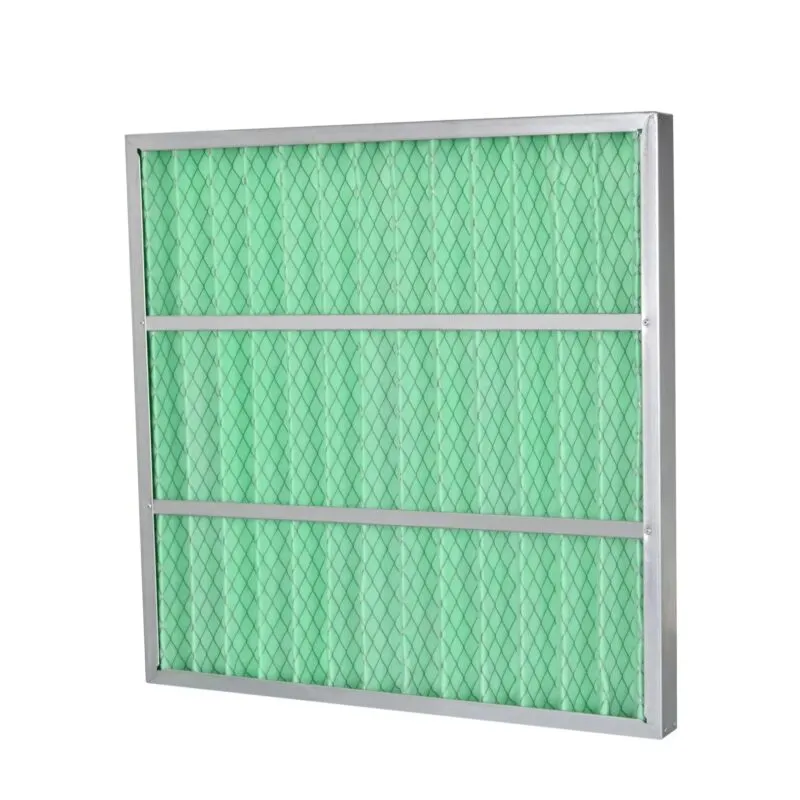
Cleaning Medium-Efficiency Air Filters: A Data-Driven Analysis of Feasibility, Methods, and Economics
1. Introduction: An Underestimated Maintenance Problem
Medium-efficiency air filters are a critical bridge in almost any air-cleaning system. They primarily capture suspended particles in the 1–10 µm range—dust, pollen, smoke, and bacteria-carrying particles—and their performance directly affects the service life of downstream HEPA filters and the energy consumption of the entire system. In large commercial buildings, hospital clean operating departments, pharmaceutical plants, and data centers, the number of medium-efficiency filters in use is substantial. In the Sumitomo Corporation Takebashi Building in Japan, for example, a single building with a total floor area of 46,479 m² uses approximately 200 medium-efficiency filters. Nationwide, Japan discards an estimated 10,000 tons of medium-efficiency filters each year as industrial waste, most of which are incinerated or landfilled.
Traditionally, these filters have been designed as disposable consumables. However, with the push for “dual-carbon” goals and the need for cost reduction, cleaning and reuse of medium-efficiency filters has become a serious technical topic. The core questions are straightforward: Can medium-efficiency filters be washed? If so, do they still perform adequately after cleaning? And is cleaning economically worthwhile? This article examines these questions using experimental data and industry practice from China, Japan, Europe, and elsewhere.
2. Material Determines Fate: Washability by Filter Media
2.1 Filter Classes and Media Types
The washability of a medium-efficiency filter is not a simple yes-or-no question. It depends on the fiber structure and physical properties of the filter medium.
Under EN 779:2012, medium-efficiency classes are generally M5–M6, while F7–F9 are classified as fine filters. In older EN 779:2002 and some Chinese classifications, F5–F6 are also treated as medium-efficiency. China’s GB/T 14295-2019 defines medium-efficiency filters with its own class system. EN 779 has since been superseded by ISO 16890, which uses ePM1, ePM2.5, and ePM10 ratings, but legacy G-, M-, and F-class designations remain widely used in specifications and maintenance manuals.
In general, filters made with coarser fibers—typically G2–G4 pre-filters—are physically robust enough to withstand water washing. However, F6 and higher-efficiency medium filters use extremely fine fibers. These fibers cannot tolerate repeated rubbing or mechanical agitation. As a result, most F6-and-above medium-efficiency filters are designed to be disposable. This is confirmed by many manufacturers: the mainstream F8 medium-efficiency bag filter uses a composite medium of melt-blown cotton and electret fibers. Washing destroys the electrostatic structure, causing filtration efficiency to drop from about 85% to 40–60%, which no longer meets medium-efficiency requirements.
2.2 Limits of Washable Types
Even for medium-efficiency panel filters made of non-woven or glass-fiber media that can tolerate water washing, there are clear limits. Manufacturers generally recommend no more than two cleaning cycles. After each wash, filtration efficiency typically drops by 10–15%. Beyond two washes, the pores in the medium enlarge, and the ability to intercept particles below 0.5 µm weakens significantly.
Some manufacturers set an even stricter scrapping criterion: filters should be discarded after 10 cleaning cycles. This wide range reflects the large differences in fatigue resistance among media. Maintenance personnel should always follow the specific product’s technical manual.
3. Cleaning Methods and Operating Procedures
3.1 Standard Cleaning Flow
For washable medium-efficiency filters, a mature cleaning process includes the following steps:
Pre-cleaning: Remove large dust particles from the filter surface with a vacuum cleaner or compressed air. This prevents dirt from being pushed deeper into the medium during washing.
Soaking and washing: Immerse the filter in a neutral detergent solution for 10–15 minutes. The water temperature should not exceed 40°C. Wash gently. Do not use acidic or alkaline cleaners, as they can corrode the medium. Some operating procedures recommend a stainless steel or plastic tank filled with 1.5 m³ of potable water. Add liquid soap according to the number of filters—typically 0.5 kg of liquid soap for a batch of 9 to 16 filter bags—and soak for 30 minutes.
Rinsing: Rinse with clean water until no foam remains, ensuring no detergent residue. A recommended method is continuous feed-and-drain rinsing while gently patting the filter by hand until the effluent is clean.
Drying: Air-dry naturally or use low-temperature drying (not exceeding 60°C). Avoid high temperatures, which can harden the medium. Some facilities use a drying room at 80–100°C for 3–4 hours. After drying, inspect the medium for damage or deformation and check that the frame gasket is intact.
3.2 Special Contaminants
For medium-efficiency filters used in the production of cephalosporin-type pharmaceuticals, the filter must first be soaked in a 1% sodium carbonate solution for 10 minutes for inactivation. After removing debris from the bag, rinse with potable water until clear.
3.3 Ultrasonic Cleaning
Japan has carried out systematic research and commercial application of ultrasonic cleaning for medium-efficiency filters. The process has four stages: pre-washing (soaking used filters in warm water or detergent to loosen dirt), main washing (ultrasonic cleaning in a cleaning tank), final rinsing (rinsing with warm water or detergent to remove floated dirt), and sterilization and drying (disinfection followed by warm-air drying to prevent bacteria and mold growth).
Ultrasonic cleaning services provided by Sumitomo Corporation Machinnex have been applied in large buildings. After three cleaning cycles, performance is still guaranteed. The CO₂ emissions per filter after cleaning are only 1.719 kg-CO₂, compared with 44.84 kg-CO₂ for manufacturing a new filter—a reduction of about 96%.
4. Post-Cleaning Performance Data
4.1 Changes in Filtration Efficiency
A study of four medium- and pre-filter media samples produced systematic data on repeated washing. Water cleaning had no obvious effect on the filtration efficiency of a polyester fiber layer. For reinforced medium-efficiency filter cotton and pre-filter cotton, filtration performance actually increased slightly after water cleaning. For medium-efficiency filter cotton, performance decreased slightly, but over 15 cleaning cycles, the efficiency change remained within 7.10%.
These data show that under proper cleaning conditions, the efficiency loss of medium-efficiency filters is controllable. It is not true that “washing ruins the filter” in every case. However, the study concerned non-water-soluble conventional air-purification media. For media that rely on electret (electrostatic) effects, the impact of washing is far more severe.
4.2 Changes in Pressure Drop
Pressure-drop characteristics are another core indicator of cleaning effectiveness. Experimental data show that after 15 water-cleaning cycles, the pressure-drop characteristics of the tested media did not change significantly. For high-efficiency filter cotton, medium-efficiency filter cotton F7, and pre-filter cotton, pressure drop decreased slightly after 15 washes. For medium-efficiency filter cotton F5, pressure drop increased slightly. Compared with clean media, pressure-drop deviation remained within 21.05%.
In practice, the industry often uses pressure-drop recovery as the criterion for successful cleaning. After cleaning, the filter’s pressure drop should not exceed 115% of its original value. For example, if the initial pressure drop is 50 Pa, the post-cleaning pressure drop should not exceed 57.5 Pa. If the initial pressure drop after cleaning exceeds 150 Pa, the filter should be replaced immediately.
4.3 Changes in Dust-Holding Capacity
Cleaning has a relatively small effect on dust-holding capacity. Within the range of cleaning cycles tested, dust-holding capacity deviation remained within 41.14%. This relatively wide range indicates that different media types and cleaning methods produce significantly different dust-holding recovery rates. Maintenance personnel must judge based on actual conditions.
4.4 Warning Line for Efficiency Decay
Across multiple data sets, the industry generally requires post-cleaning efficiency to be no less than 85% of the original value. F8 filters may drop to 40–60% after cleaning, far below the acceptable line. Some studies indicate that each cleaning cycle may reduce filtration efficiency by about 20%. Therefore, baseline efficiency testing before cleaning is critical. Only when the original filter has sufficient efficiency margin can cleaning and reuse be considered feasible.
5. Economic Evaluation: Cleaning Versus Replacement
5.1 Cost Advantages of Cleaning
In the Japanese market, ultrasonically cleaned medium-efficiency filters sell for 60–70% of the price of new filters. The cost is “not much lower than making a new medium-efficiency filter.” From the end user’s perspective, however, Sumitomo Corporation Machinnex’s cleaning service has helped customers reduce maintenance costs by about 20–30% compared with annual replacement. Over a full life cycle—using two filters over eight years instead of replacing every year—the filter purchase cost can fall to about one quarter of the original.
5.2 Economic Decision Model
An evaluation model proposed by Dezhou Yongrui Purification Equipment provides a practical decision framework: If pressure drop recovers to within 1.3 times the initial value, and the estimated remaining life is still greater than twice the cleaning cost, choose cleaning; otherwise, replace. After this model was applied to the Munich Airport air-conditioning system, filter replacement frequency fell by 28%, saving about €150,000 in annual maintenance costs.
A cautionary case is also instructive. In one electronics factory, shortening the medium-efficiency filter replacement interval from 6 months to 4 months actually increased overall costs by 12%. The reason was that insufficient upstream filtration caused the medium-efficiency filters to clog faster—a case of “penny wise, pound foolish.”
5.3 Environmental Benefits
From an environmental perspective, cleaning and reuse offer significant benefits. According to Sumitomo Corporation data, after adopting cleaning services, waste from 400 filters over an 8-year period fell from 12.8 tons to 3.2 tons—a 75% reduction. CO₂ emissions per filter dropped from 44.84 kg-CO₂ for new manufacturing to 1.719 kg-CO₂ for cleaning—a reduction of about 96%.
6. Industry Standards and Practical Recommendations
6.1 Criteria for Cleaning/Replacement Intervals
The industry generally uses pressure drop as the core indicator for deciding whether a medium-efficiency filter needs cleaning or replacement. Cleaning or replacement should be carried out when either of the following conditions is met:
- The pressure drop across the filter approaches 1.5–2 times the initial pressure drop.
- The pressure drop is lower than the initial value or there is no pressure drop (which may indicate medium damage or bypass leakage).
In systems without pressure-drop monitoring, cumulative operating time can be used. Medium-efficiency filters generally need cleaning or replacement every 2–3 months. In hospital clean operating departments, according to WS/T 368-2012 Management Specification for Hospital Air Purification, medium-efficiency filters should be inspected weekly and replaced every 3 months. Workshops with high dust generation should shorten inspection to once a month; workshops with low dust generation can inspect every 1.5 months.
6.2 Precautions During Cleaning
The following principles should be strictly observed:
- Use only potable water for cleaning.
- Do not scrub with brushes.
- Do not use a high-pressure water gun for rinsing, as it can damage the medium structure.
- Do not wring the filter forcefully after cleaning.
- Filter bags not immediately reused should be sealed in clean plastic bags for storage.
- Pre-filters and medium-efficiency filters in each workshop should be dedicated to that workshop and not exchanged.
- Filters used for cephalosporin production should be cleaned, dried, and stored separately and must not be mixed with filters used for ordinary chemical drug production.
6.3 Performance Re-Testing Requirements
Before installation, cleaned filters should undergo performance re-testing. Core test items include:
- Pressure-drop characteristics: Measure initial resistance at rated airflow to confirm it has returned to the design range.
- Filtration efficiency: Count efficiency or arrestance.
- Dust-holding capacity and service life: Use precision weighing to calculate dust removal rate.
- Chemical residue analysis: For filters cleaned with chemical agents, check for residues of acidic, alkaline, or disinfectant chemicals that could volatilize into the clean air and cause secondary contamination.
7. Conclusion
Cleaning and reuse of medium-efficiency filters is not a simple binary question of “can” or “cannot.” It is a system decision that requires comprehensive consideration of media type, contamination level, performance-decay data, and economic cost. The main conclusions are as follows:
- First, washability depends heavily on media type. Coarse-fiber media (G2–G4) tolerate water washing relatively well. Fine-fiber media rated F6 and above—especially composite media containing electret structures—suffer severe efficiency loss after cleaning and are generally not recommended for reuse.
- Second, for washable models, water cleaning within 15 cycles has an acceptable effect on filtration efficiency and pressure-drop characteristics (efficiency change within 7.10%, pressure-drop deviation within 21.05%). However, industry practice generally recommends no more than two cleaning cycles, and post-cleaning efficiency should not fall below 85% of the original value.
- Third, economic evaluation should be based on pressure-drop monitoring data and full life-cycle cost. Japanese market practice shows that professional cleaning services can reduce maintenance costs by 20–30%, cut waste by 75%, and reduce CO₂ emissions by about 96%.
- Fourth, cleaning operations must strictly follow standardized procedures: use neutral detergent and soft tools, control water temperature and pressure, and conduct performance re-testing after cleaning. This ensures that reused filters do not become a weak point in system safety.
Under the dual drivers of “dual-carbon” goals and cost reduction, cleaning and reuse technology for medium-efficiency filters deserves further research and promotion. Before that, however, maintenance personnel must first determine the media type and performance margin of the filters in their hands, and only then decide whether to “wash” or “replace.” After all, the air-quality risk and system energy penalty caused by a failed filter far exceed the purchase cost of a new one.
Please login to write a comment after