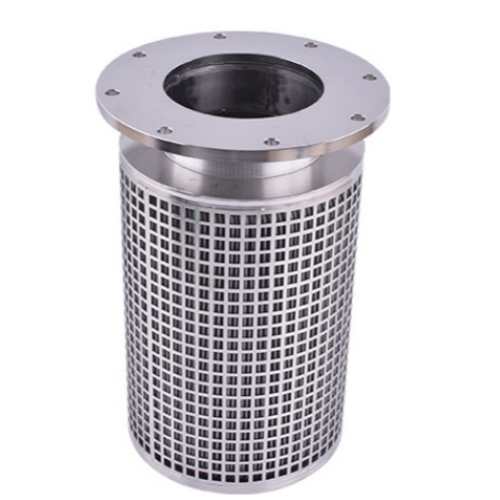
Filtration Principle of Honeycomb Filter
The core of a honeycomb filter lies in leveraging the structural advantages of its honeycomb-shaped parallel channels, capturing or converting pollutants through the synergistic effect of multiple mechanisms such as physical interception, inertial impaction, diffusion adsorption, gravitational sedimentation, and catalytic conversion (if applicable). It balances high filtration efficiency with low air resistance, and is widely used in air purification, waste gas treatment, water treatment and other scenarios. The specific principles are elaborated in detail from three aspects: core filtration mechanisms, filtration process & material adaptation, and key characteristics.
I. Core Filtration Mechanisms (Synergistic Effect)
The honeycomb filter achieves efficient filtration through the combined action of multiple mechanisms, each targeting different types of pollutants to ensure comprehensive purification effects:
1. Physical Interception: It mainly acts on large particles (>1μm). The walls and micropores of the honeycomb channels form a physical barrier, and particles larger than the pore size are directly blocked on the surface or at the entrance of the channels, preventing them from passing through with the fluid.
2. Inertial Impaction: It is mainly used for medium-sized particles (0.5–1μm). When the fluid flows at high speed in the channels, the particles cannot turn with the streamline due to their inertia, collide with the channel walls, and are captured by the wall surface.
3. Diffusion Adsorption: It is aimed at fine particles (<0.5μm). Small particles perform Brownian motion, and after contacting the channel walls, they are adsorbed by van der Waals forces. If the honeycomb filter uses activated carbon or molecular sieve as the carrier, it can also capture gaseous pollutants through physical adsorption or chemical adsorption of micropores.
4. Gravitational Sedimentation: It works on large and heavy particles. In low-speed airflow, particles break away from the airflow due to gravity and settle at the bottom or wall of the channels.
5. Catalytic Conversion: It is mainly used for gaseous pollutants. When the honeycomb carrier is coated with a catalyst, it converts harmful substances such as NOₓ, CO, and HC into harmless substances through oxidation or reduction reactions.
II. Filtration Process and Material Adaptation
The honeycomb filter is composed of a large number of parallel hexagonal or square channels. The fluid (gas/liquid) flows directionally along the channels, which greatly increases the contact area per unit volume while reducing air resistance, laying a foundation for efficient filtration.
Different application scenarios correspond to different carrier materials to achieve optimal filtration effects: For air purification, honeycomb activated carbon (containing 35%–50% carbon), paper or synthetic fibers are commonly used to adsorb TVOC, odors and particulate matter. For waste gas treatment, ceramic honeycombs (such as cordierite) are coated with SCR/DPF catalysts to treat exhaust particles and NOₓ. For water treatment, metal or plastic honeycombs are used as carriers, loaded with flocculants or membrane materials to intercept suspended solids and enhance adsorption.
The typical filtration process is as follows: The fluid enters the honeycomb channels → large particles are intercepted by the physical barrier → medium-sized particles collide with the channel walls due to inertia → fine particles are adsorbed by diffusion → gaseous pollutants are adsorbed or catalytically converted → the purified fluid is discharged → regular ash cleaning or regeneration (such as backwashing, heating) is performed to maintain long-term filtration efficiency.
III. Key Characteristics and Advantages
Compared with traditional granular filters, honeycomb filters have obvious structural and performance advantages: First, they have a high specific surface area. The honeycomb structure makes the contact area per unit volume 3–5 times higher than that of traditional granular filter materials, effectively improving adsorption and filtration efficiency. Second, they have low resistance. The parallel channels reduce airflow turbulence, and the initial resistance is usually 30–50Pa, which consumes less energy. Third, they have stable structures. Integrally formed (such as ceramic and metal honeycombs), they have high mechanical strength and are suitable for high-pressure and high-temperature working conditions. Fourth, they are easy to maintain. They can be regenerated through backwashing, water washing and heating, which prolongs their service life.