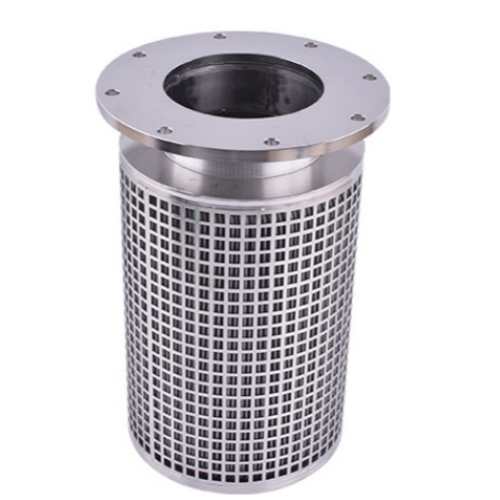
How PTFE High-Efficiency Filters Work
PTFE (Polytetrafluoroethylene) high-efficiency filters are core filtration equipment in industrial and cleanroom applications. Their filtration principle is based on the special physical structure of PTFE membranes and the synergy of multiple filtration mechanisms, enabling high-efficiency particle interception while maintaining low resistance and a long service life. Below is a detailed explanation covering professional principles, customer-friendly descriptions, and core advantages—optimized for foreign trade communications.
I. Professional Filtration Principles (Core Mechanisms)
The core of PTFE high-efficiency filters is the PTFE membrane filter media (a microporous polytetrafluoroethylene film). The filtration process is achieved through the synergy of four key mechanisms, which intercept contaminants from coarse to fine:
1. Inertial Impaction
When dust-laden air flows rapidly through the filter media, large particles (>1μm) cannot follow the airflow’s direction changes due to inertia. They directly collide with and adhere to the media surface. This mechanism primarily targets large particles such as pollen, heavy dust, and industrial debris.
2. Interception Effect
Small particles (0.1-1μm) follow the airflow through the media’s micropores. When their diameter is close to or larger than the pore size, they are "trapped" by the media fibers or pore edges and adhere to the surface. This mechanism captures fine dust, smoke particles, and some aerosols.
3. Diffusion Effect
Ultra-fine particles (<0.1μm, such as smoke, bacteria, and viruses) undergo Brownian motion (random thermal movement). This random motion causes them to collide with the media fibers and be adsorbed. This mechanism is critical for capturing nano-scale particles, microorganisms, and harmful gas molecules (when combined with adsorption functions).
4. Electrostatic Adsorption (Optional)
Some PTFE filter media undergo electrostatic treatment, giving the surface a permanent static charge. Through electrostatic attraction, even particles much smaller than the pore size can be captured. This mechanism effectively adsorbs charged dust, micro-aerosols, and certain bacteria.
Key Supplementary Features:
The PTFE membrane features a three-dimensional porous network structure with uniform pore sizes (typically 0.1-1μm) and a porosity of 80%-90%. This design ensures high-efficiency interception while minimizing airflow resistance.
The media surface is hydrophobic, offering strong moisture resistance and non-stick properties. Dust is less likely to adhere, allowing regeneration via pulse jet cleaning (extending service life). Additionally, PTFE is acid-alkali resistant and high-temperature resistant (continuous operating temperature up to 260℃).
II. Customer-Friendly Explanation
You can think of a PTFE high-efficiency filter as a "special high-tech screen" with a filtration process similar to a "three-level protective net + electrostatic adsorption" combination:
First Level (Inertial Impaction): Large dust particles are like "runners"—when they hit the filter, they can’t turn quickly enough and collide directly with the screen, getting trapped.
Second Level (Interception Effect): Medium-sized fine dust is like "walkers"—they try to pass through the screen’s small holes but are blocked by the hole edges because they’re too big.
Third Level (Diffusion Effect): Ultra-fine nano-particles (such as bacteria and smoke) are like "naughty elves"—they move randomly in the air and accidentally bump into the filter, getting stuck.
Extra Bonus (Electrostatic Adsorption): If the filter is electrostatically charged, it acts like a "magnet," attracting even uncharged tiny particles through electrostatic force, ensuring no leakage.
Meanwhile, the filter’s surface is special—it’s "water-repellent and non-stick like a lotus leaf." Dust only adheres to the surface instead of clogging the internal pores. It can be cleaned by blowing air, allowing repeated use for a longer time.
III. Core Advantages (vs. Traditional Filters, Key Selling Points for Foreign Trade)
Thanks to the unique structure of PTFE membranes and their multi-mechanism filtration, PTFE high-efficiency filters offer three core advantages over traditional glass fiber or non-woven filters—emphasize these to customers:
Exceptional Filtration Efficiency: Captures over 99.97% of 0.3μm particles (meeting HEPA/H13-H14 standards), even filtering bacteria, viruses, and other microorganisms. Ideal for high-precision scenarios such as cleanrooms, medical equipment, and electronic factories.
Low Resistance & Energy Savings: High porosity reduces airflow resistance, so supporting fans don’t need to "work hard"—lowering electricity costs (long-term operational savings).
Long Service Life & Easy Maintenance: The hydrophobic surface resists dust adhesion, enabling regeneration via pulse cleaning. Service life is 2-3 times longer than traditional filters. Its acid-alkali and high-temperature resistance make it suitable for harsh working conditions (e.g., chemical plants, high-temperature workshops).